
Interior Tips
Five Thrift-Store Finds That Transform Any Living Room
Second-hand shopping is the most underrated decorating skill. Here's what to look for and how to use it.
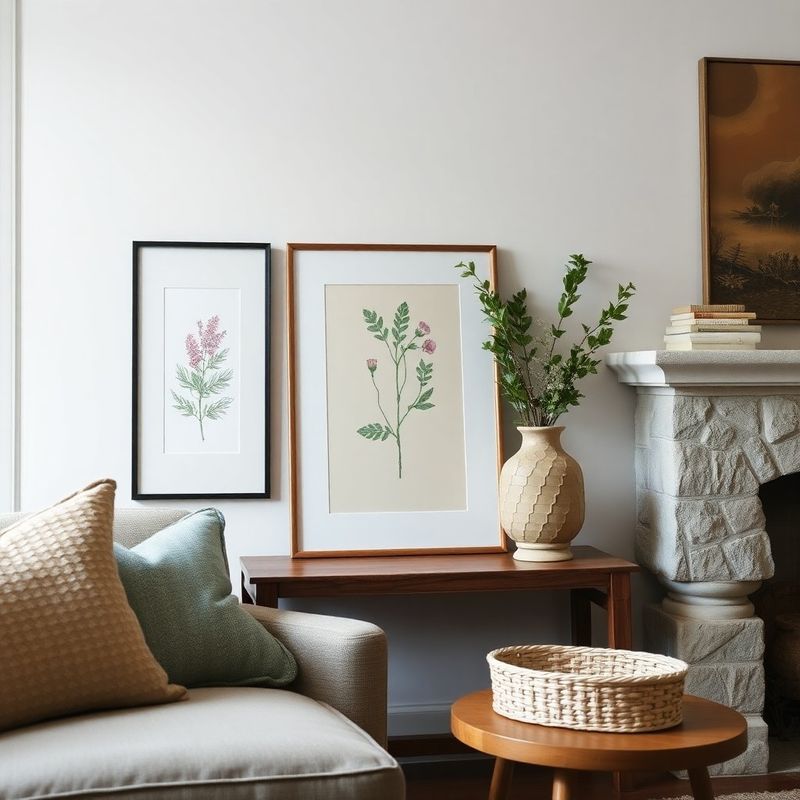
Walk into any Value Village or Goodwill in Edmonton on a weekday morning and you'll find at least three things that could anchor a living room — if you know what to look for. Most people walk past them because they're imagining the object as it sits on the shelf rather than as it could exist in their space. That gap between what you see and what you can envision is the entire skill set of thrift decorating, and it's learnable in an afternoon. The five categories we focus on are: oversized picture frames (paint the mat, change the print, hang in a cluster), ceramic vessels of any size (they read as intentional even when they're mismatched — especially in terracotta-cream tones), woven baskets (storage that looks like styling), solid-wood side tables with good bones, and lamps with swappable shades. Each of these costs between $2 and $25 at most thrift stores. Each one, placed correctly, reads as a design decision rather than a find. We'll walk through each category — what to look for structurally, how to evaluate whether it works for your room's scale, and one quick transformation trick that requires no tools and no additional purchases. By the end, you'll have a checklist you can bring to the thrift store this weekend and a clear picture of where each piece would go before you carry it to the register.
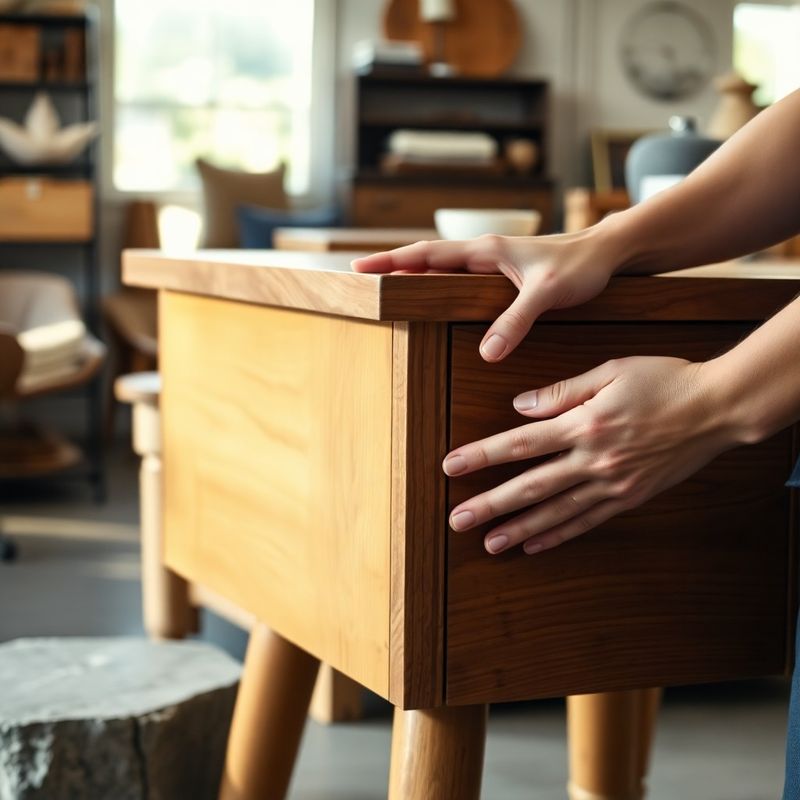
The single most important criterion for any thrift find is scale. A lamp that's too small for a side table makes the whole corner feel unresolved, no matter how good the lamp itself is. Before you leave home, measure your key surfaces — the top of your side table, the empty wall section you want to fill, the floor area beside the sofa. Bring those numbers in your phone. When you're standing in front of a potential piece, those measurements tell you the truth your eye can't. The second criterion is material honesty: solid wood, real ceramic, natural fibre — these age well and photograph well. Pressed wood and plastic rarely do. Thrift stores mix them freely, so you need to tap, feel, and turn things over. The third criterion is fixability: a scratched wood surface can be sanded and oiled in twenty minutes. A broken ceramic glaze is permanent. Know which problems are workable before you commit. Armed with these three filters — scale, material, fixability — you'll move through a thrift store in under thirty minutes and leave with things that genuinely improve your home rather than things you have to “make work” forever.