
Feng Shui Basics
The $0 Feng Shui Reset Your Bedroom Actually Needs
You can shift how your bedroom feels in one hour without buying a single thing — here's the method.
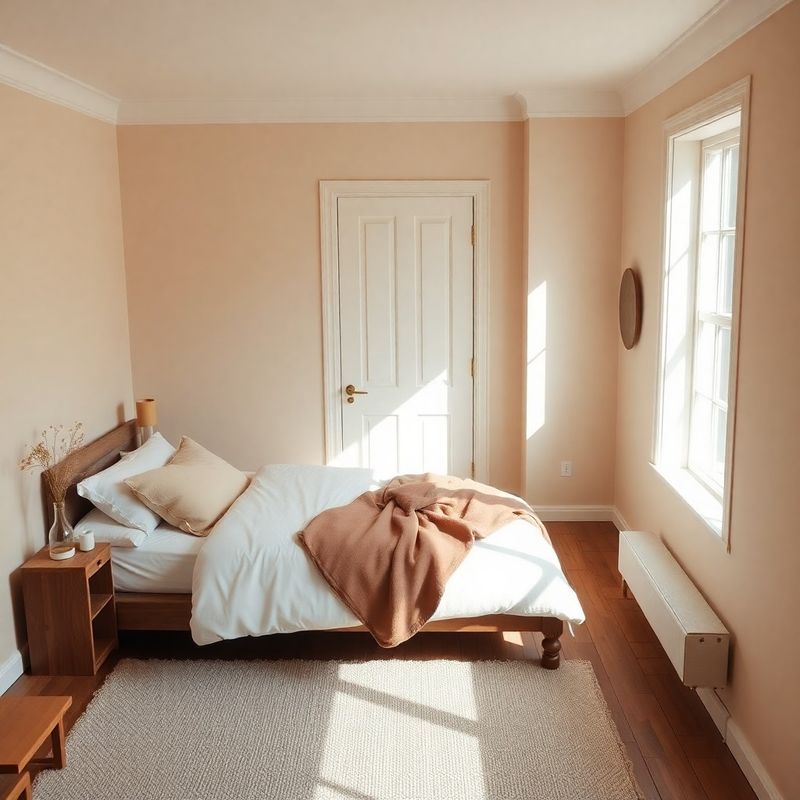
Feng shui has a PR problem. Most people encounter it through expensive consultants or vague advice about crystals and compass directions, and they rightly conclude it's not for them. What gets lost is the part that actually works for anyone in any budget: the principle that how you arrange your furniture shapes how you feel in the room, because it shapes how air, light, and your own body move through it. The bedroom is the best place to test this because the stakes are low and the impact is high — you spend eight hours there every night, so even a marginal improvement in how the room feels compounds quickly. The core feng shui moves that cost nothing are: repositioning your bed so you have a clear sightline to the door without being in direct line with it (this reduces subconscious vigilance and improves sleep quality), clearing the floor on both sides of the bed so energy — and you — can circulate freely, removing anything work-related from your sightline when you're lying down, and reducing the number of objects on your nightstand to three or fewer. None of these require purchasing anything. All of them require about forty-five minutes and a willingness to move furniture once.
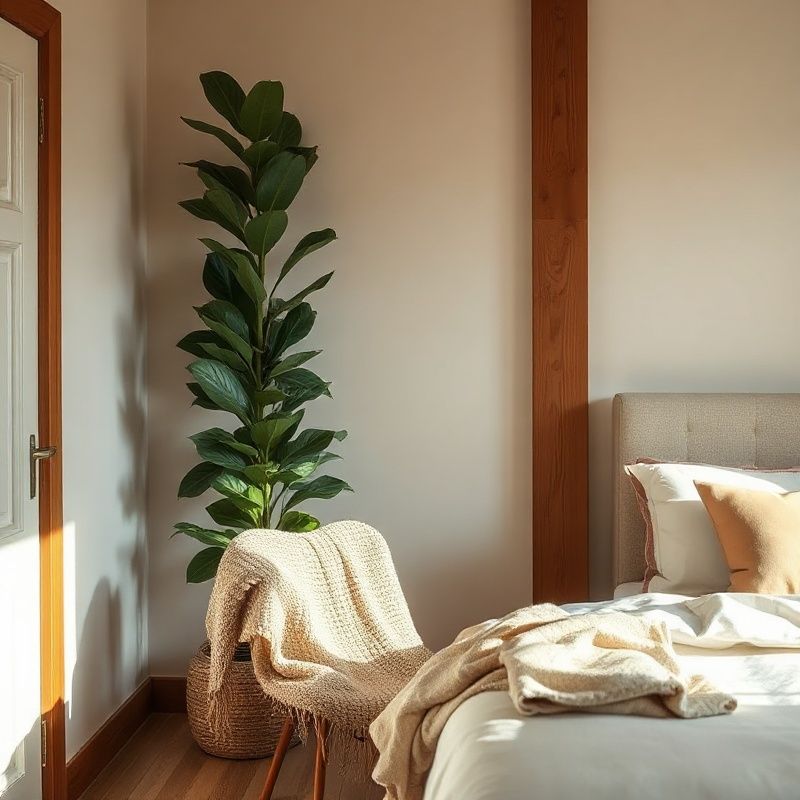
The most common obstacle people hit when attempting a feng shui reset is that their bedroom has a “forced” layout — the door and window positions leave only one viable bed placement, and it's not ideal by classical standards. This is where most guides go silent, which isn't helpful. Our practical workaround: if you can't move the bed, work on everything around it. A low-profile headboard against a solid wall (even if that wall has a window) still signals stability. Blackout curtains solve the window-behind-the-head problem. A room divider or tall plant placed strategically can interrupt a direct door-to-bed axis without physically relocating the bed. The point is that feng shui is a set of principles aimed at a goal — rest, calm, clarity — not a rigid formula you either execute perfectly or abandon. Adapt the principles to your actual room. Every apartment in Edmonton is slightly different, every tenant has a slightly different sleep pattern, and the best bedroom layout is the one that makes your specific body feel at ease when you walk in. Start with the bed position, solve whatever constraint you find, and reassess after two weeks of sleeping in the new arrangement. The feedback your own body gives you is better data than any guidebook.